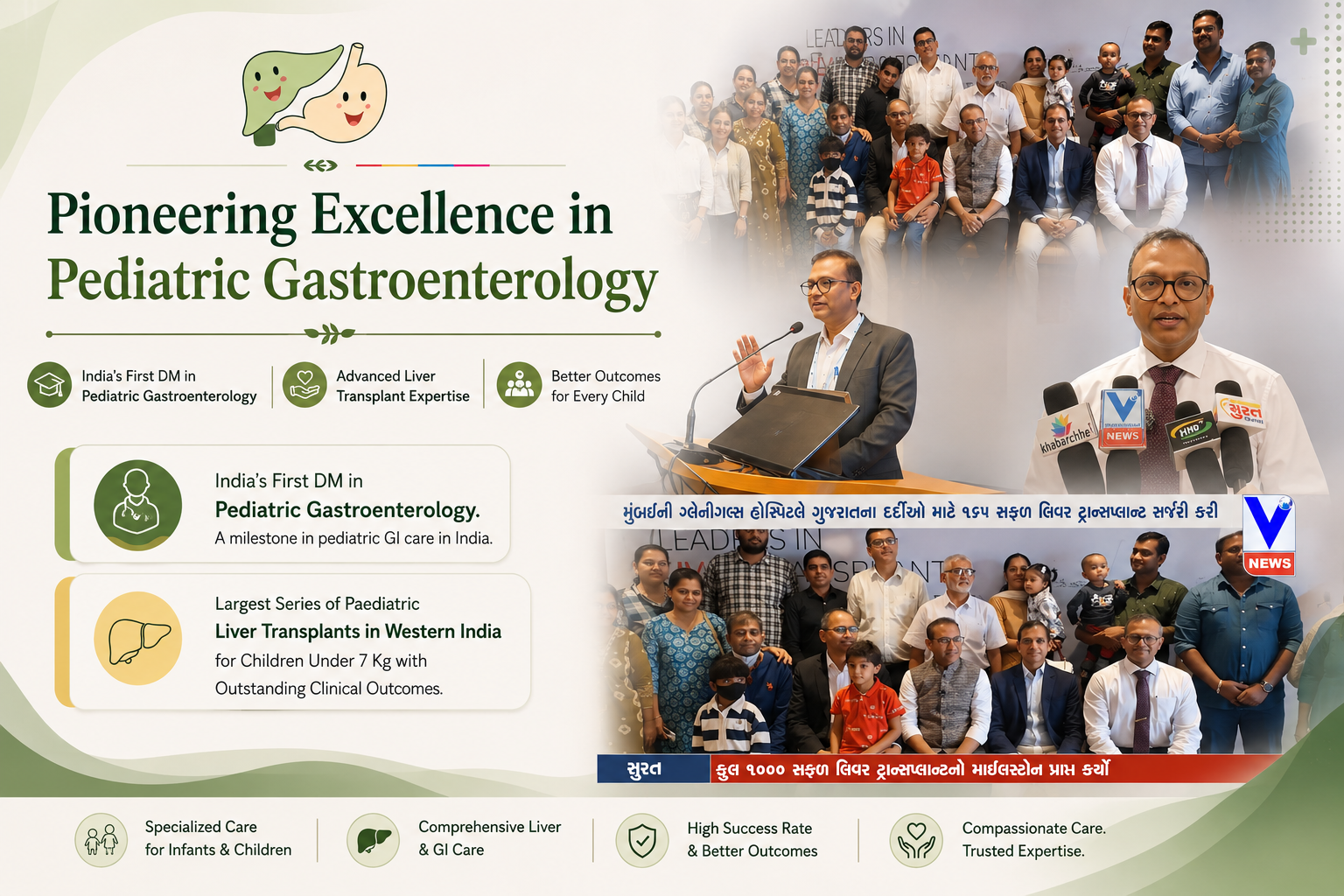
India’s First DM and a Leader in Pediatric GI and Hepatology
Guiding Children to Wellness Through Mindful Habits
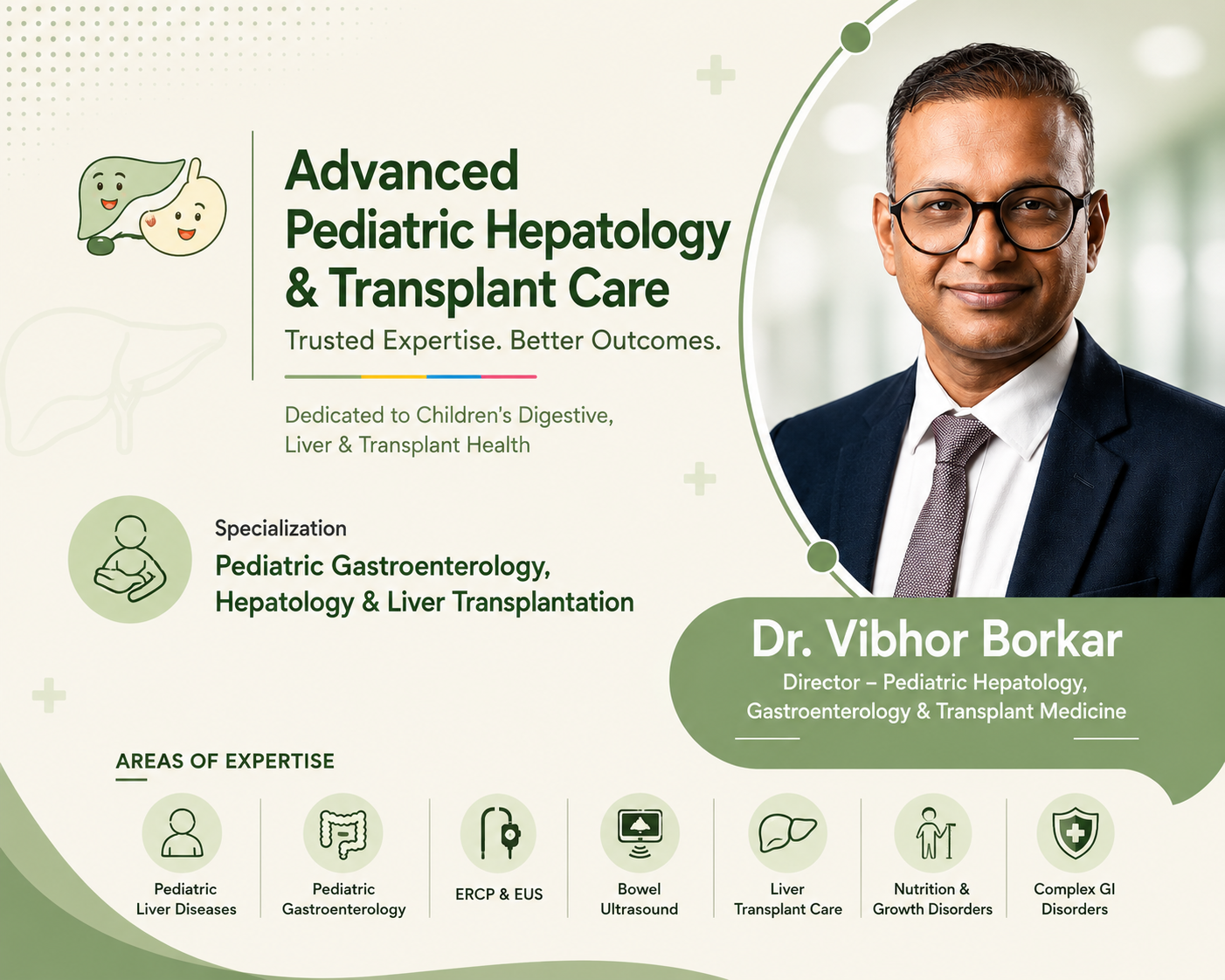
Dr. Vibhor Borkar delivers world-class pediatric gastroenterology, hepatology, and liver transplant care across India. For Appointments ContactGleneagles Hospital, Parel
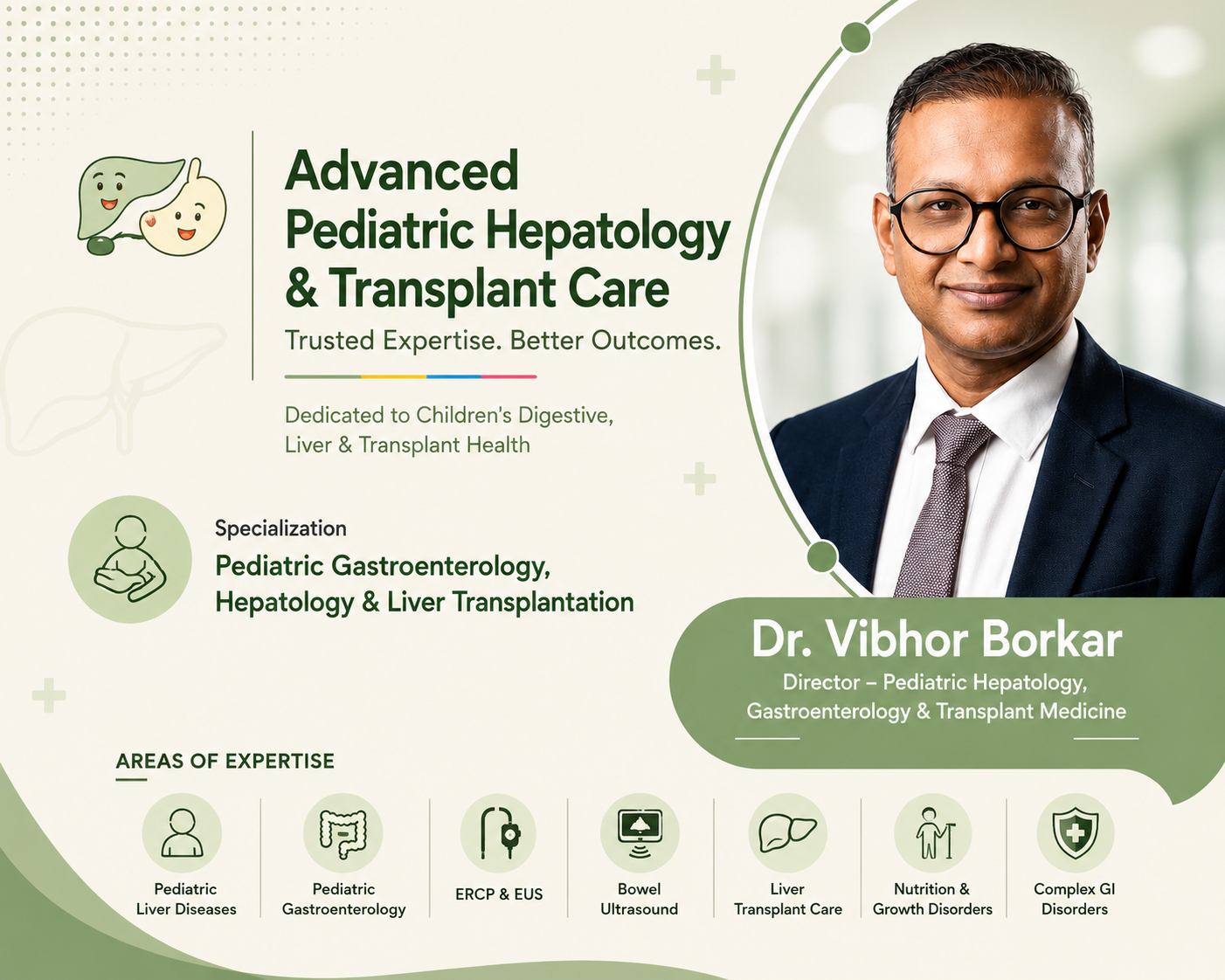
Guiding Children to Wellness Through Mindful Habits
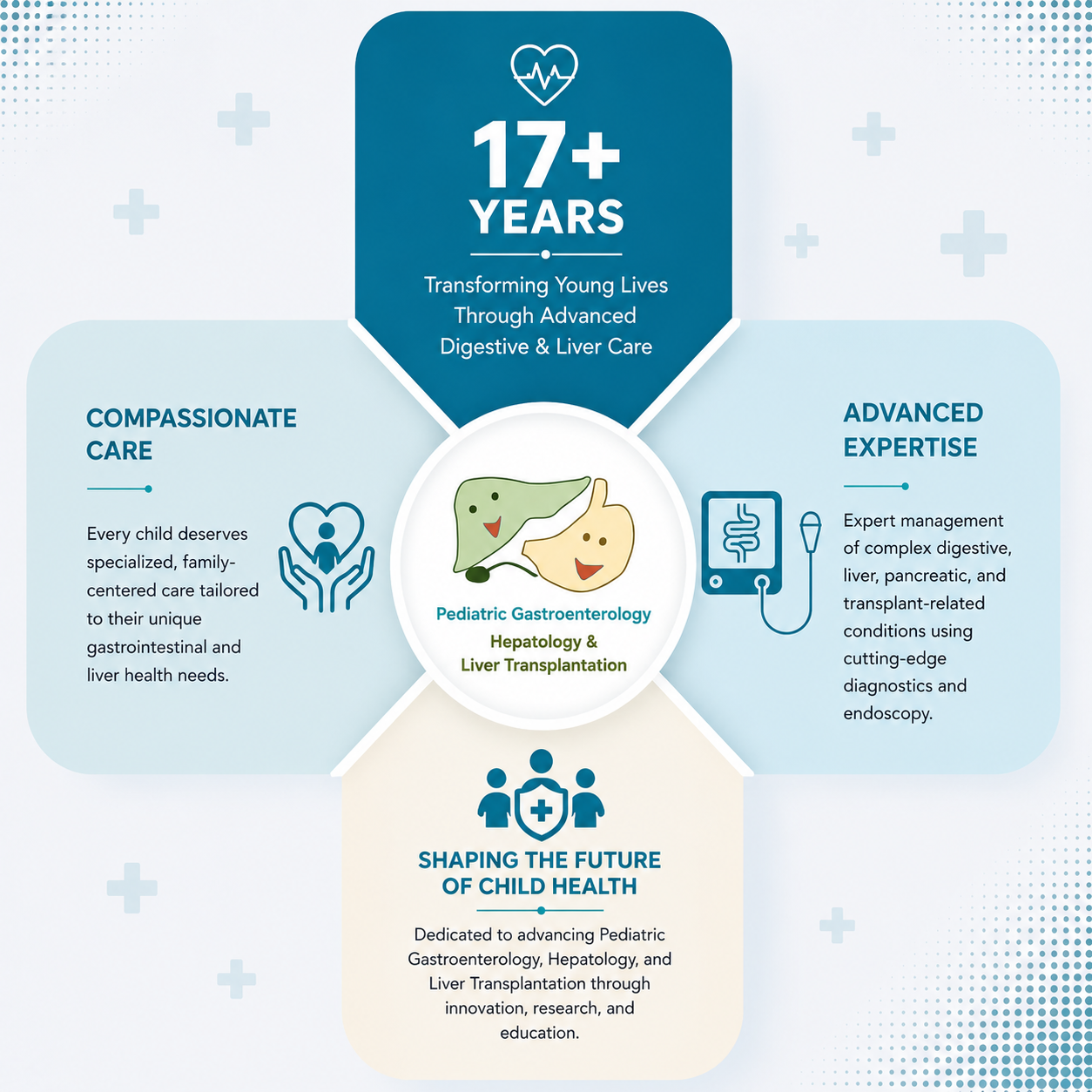
Ensuring Better Outcomes for Every Child
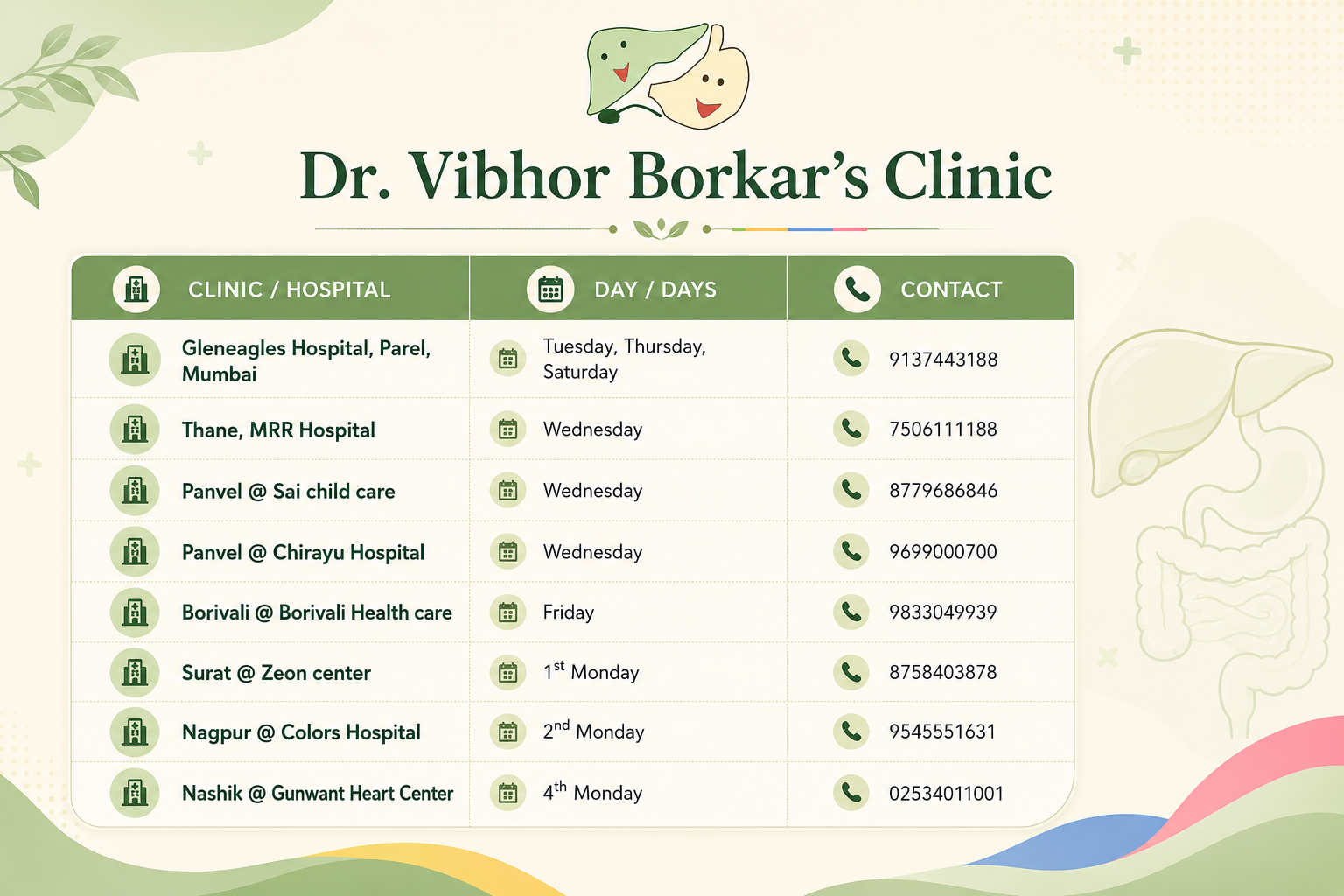
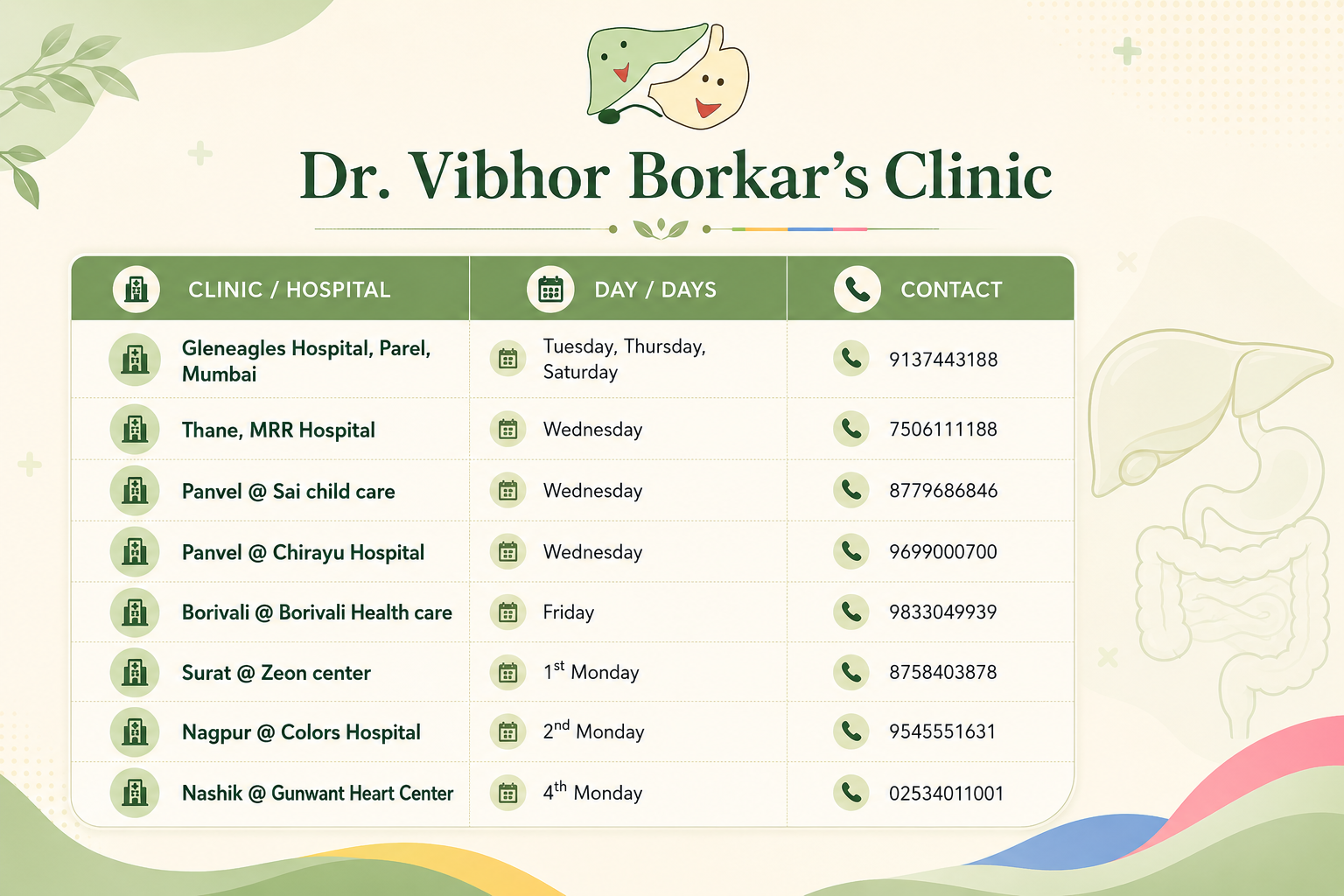
Expert Care. Convenient Access. Consultation Locations of Dr. Vibhor Borkar.
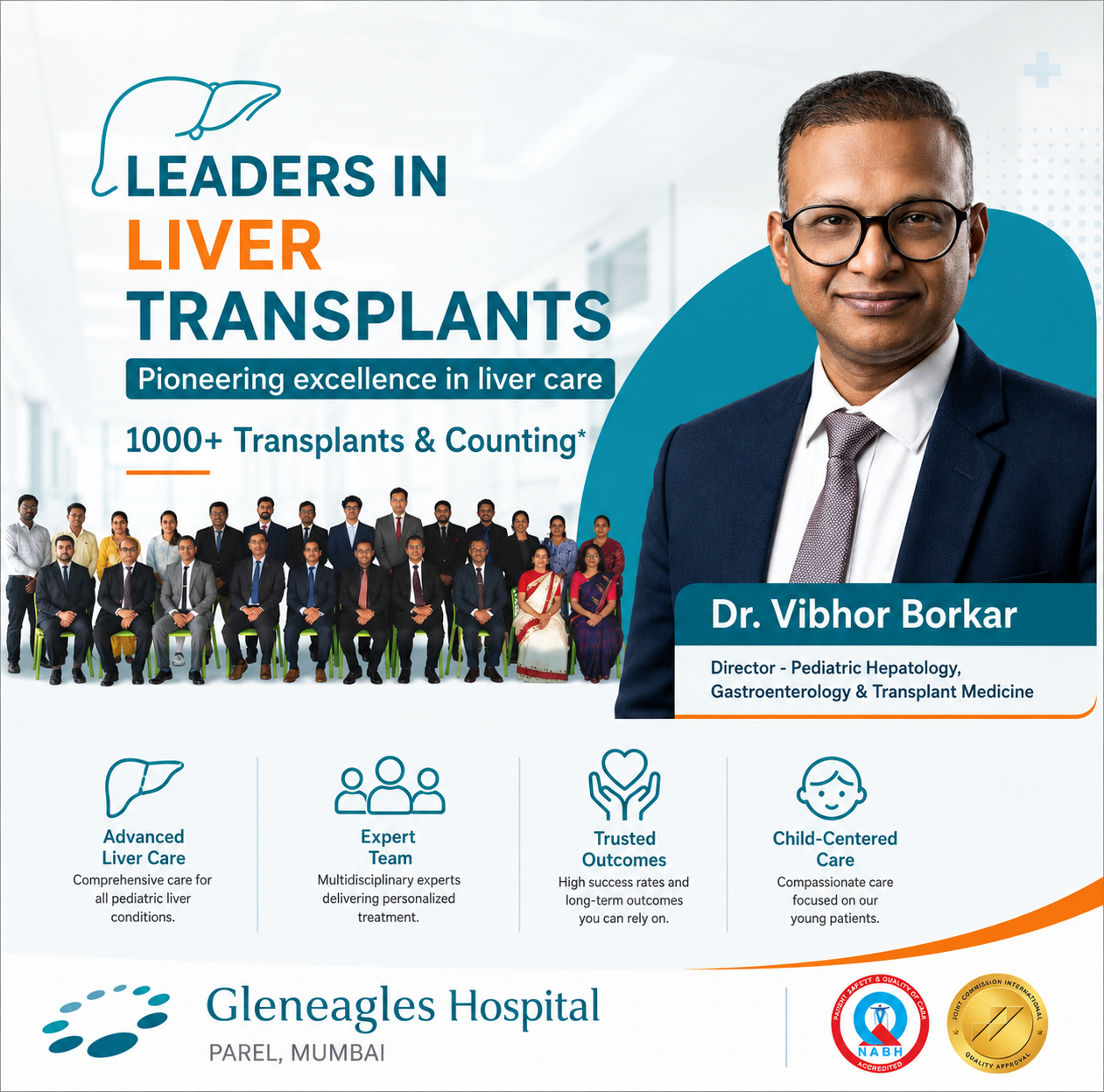
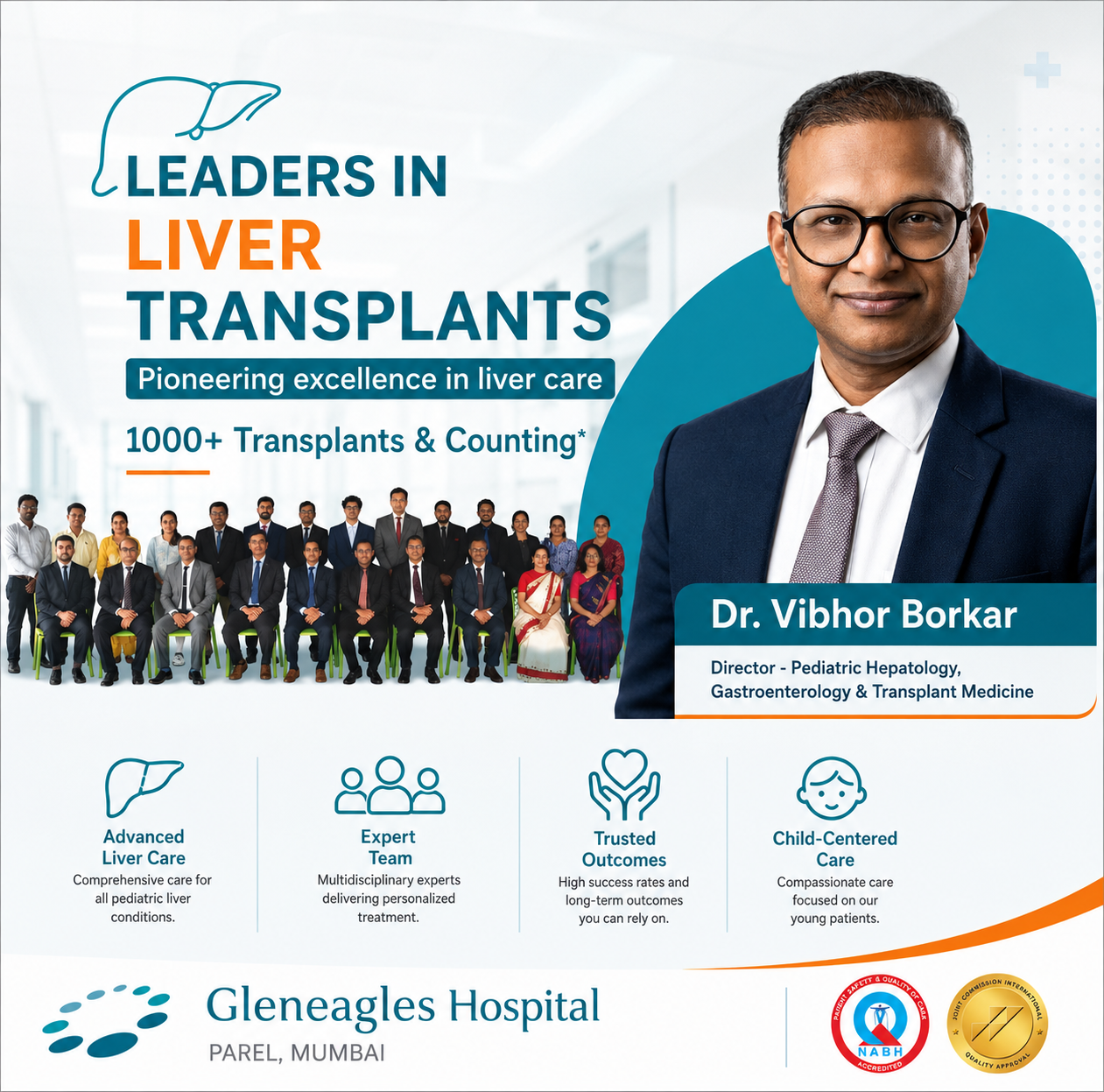
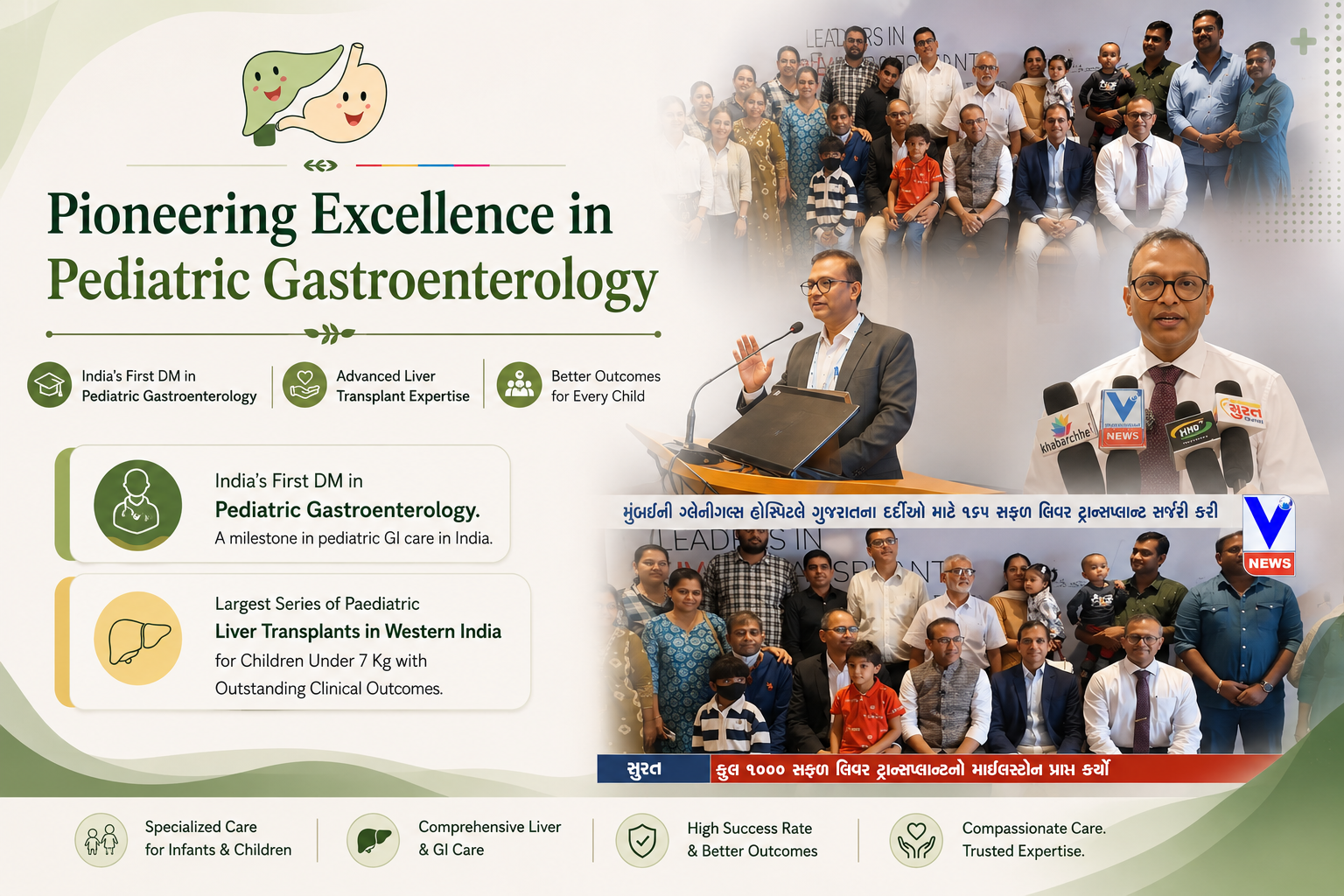
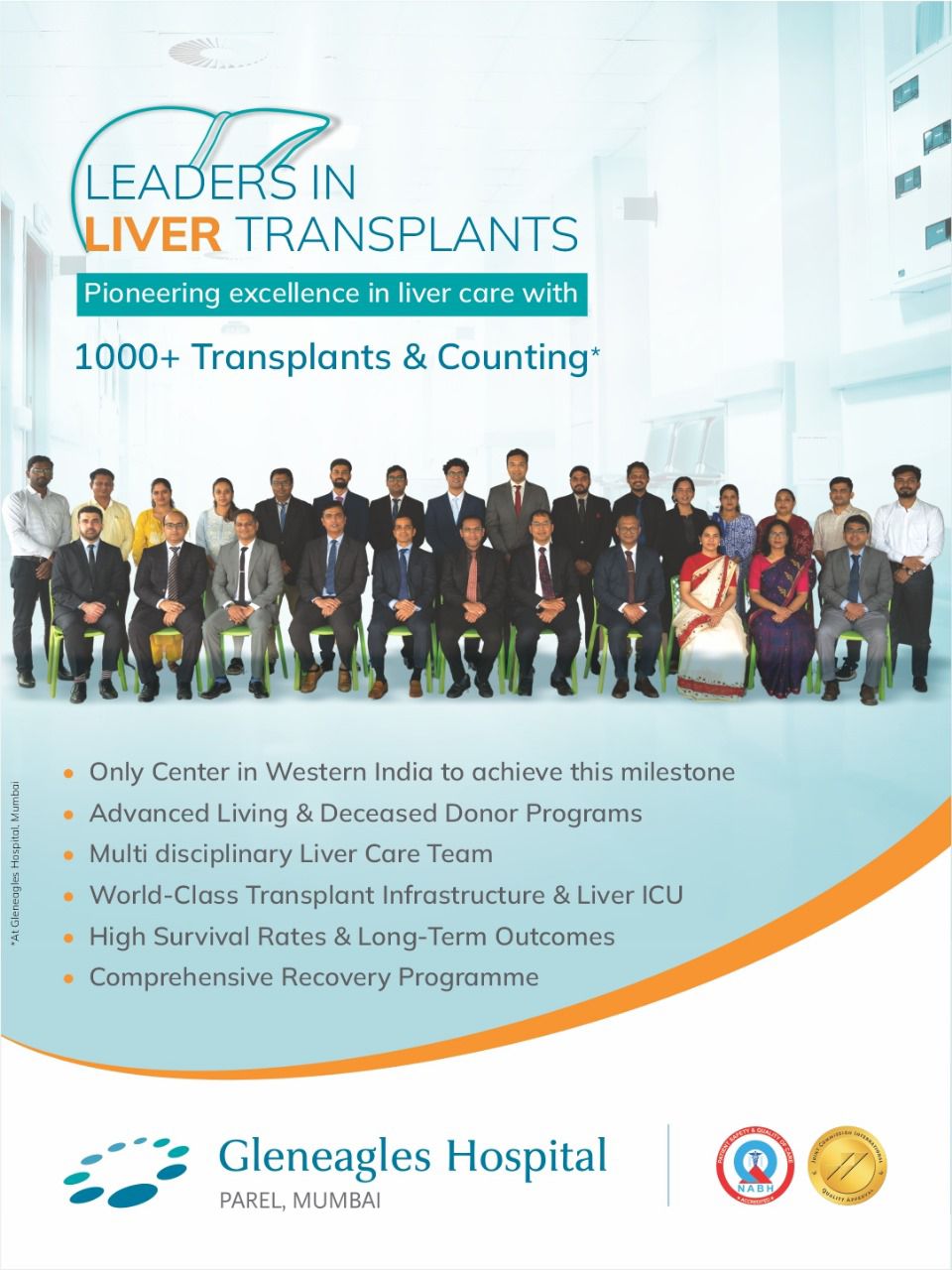
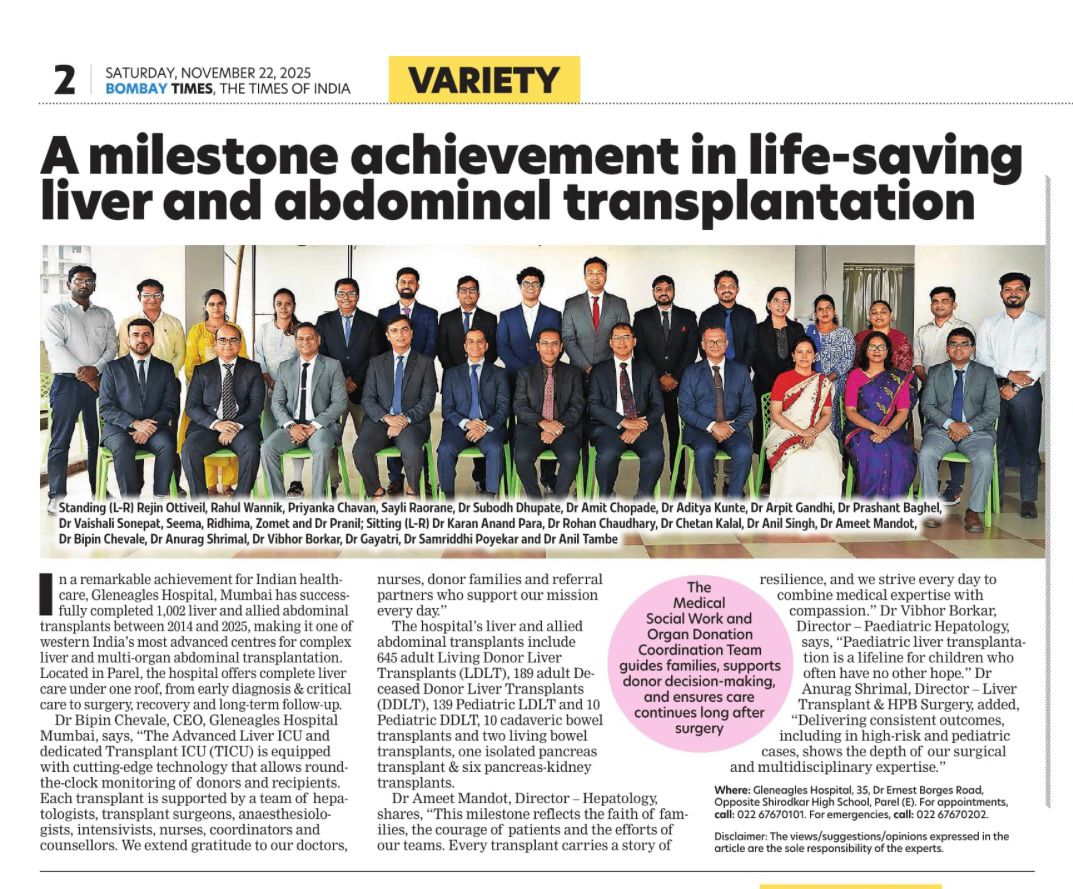
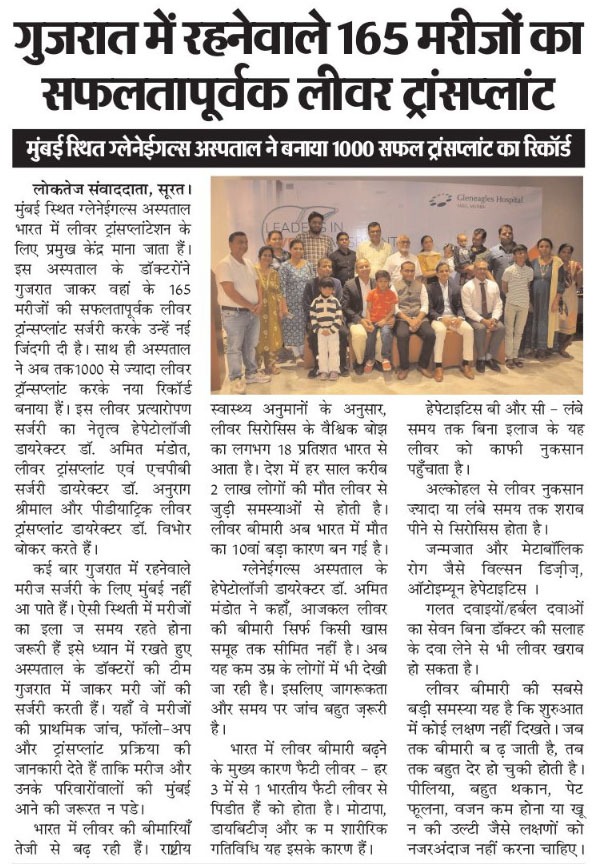
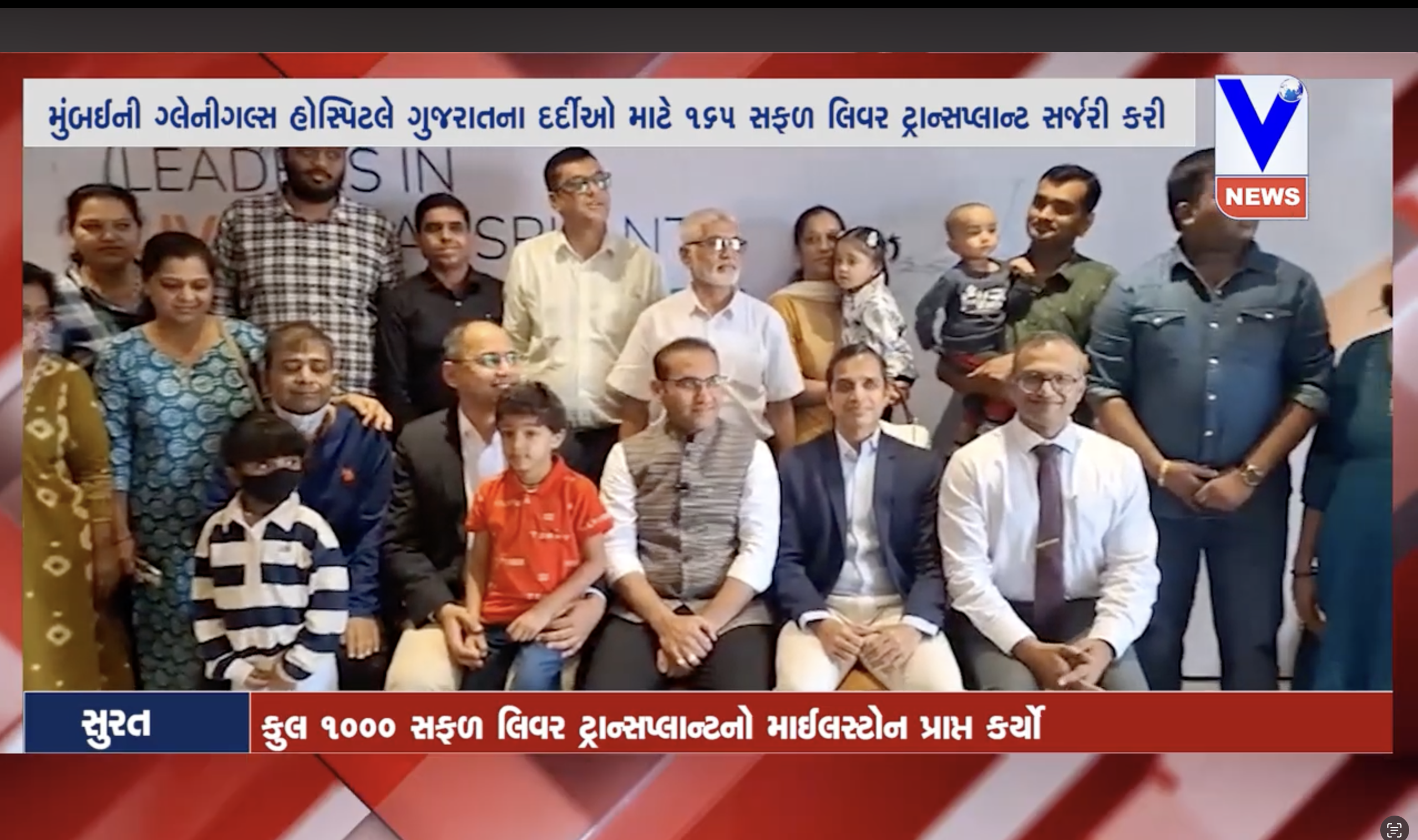
Only team in western India to complete Thousand plus liver transplants
Transforming Children’s Liver & Digestive Health
Years of Experience
Happy Reviews and Ratings
Endoscopies
Liver Transplants
Comprehensive Care for Liver Disorders, Gastrointestinal Conditions, and Pediatric Liver Transplantation
Expertise in Pediatric Gastroenterology, Hepatology and liver transplant

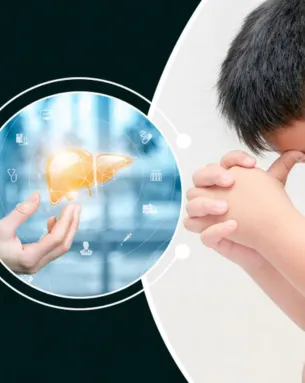
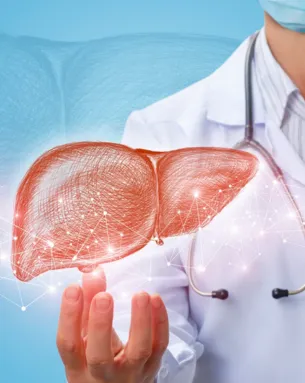

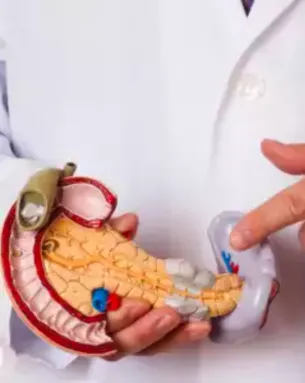
Pediatric Gastroenterologist and Hepatologist

What our Patients says about us
My name is Bhupendra Kadam my daughter Nimisha who is 11 years old was suffering from Autoimmune Hepatitis Liver Cirrhosis disease, three months back her liver transplant was done successfully by Dr. Vibhor Borkar Sir and his team at Nanavati Max Super Specialty Hospital. Dr. Vibhor Sir has a very calm and composed personality. he took very good care of my daughter.Thank you so much sir for everything.
Thank you so much for the difference you make in the lives of your patients. Dr Vibhor is extremely knowledgeable, being very skilled at professional front and and a great human being. He make us understand the ongoing things with liver. So, that we were not afraid to do liver transplant. I am thankful for his guidance and support throughout. Your kindness heals a patient more than anything else. Thank you so much sir ! :-)
A very thourough doctor who has managed to ease my difficulties with having a son with a genetic disorder and solving my issue of stopping medications for him ( which I thought I had to give life long). Thanks to dr Vibhor I managed to feel very much and ease with my sons condition. Very good doctor giving very good advice. Highly recommend him.
Stay informed with our latest updates, posts, announcements and health news.
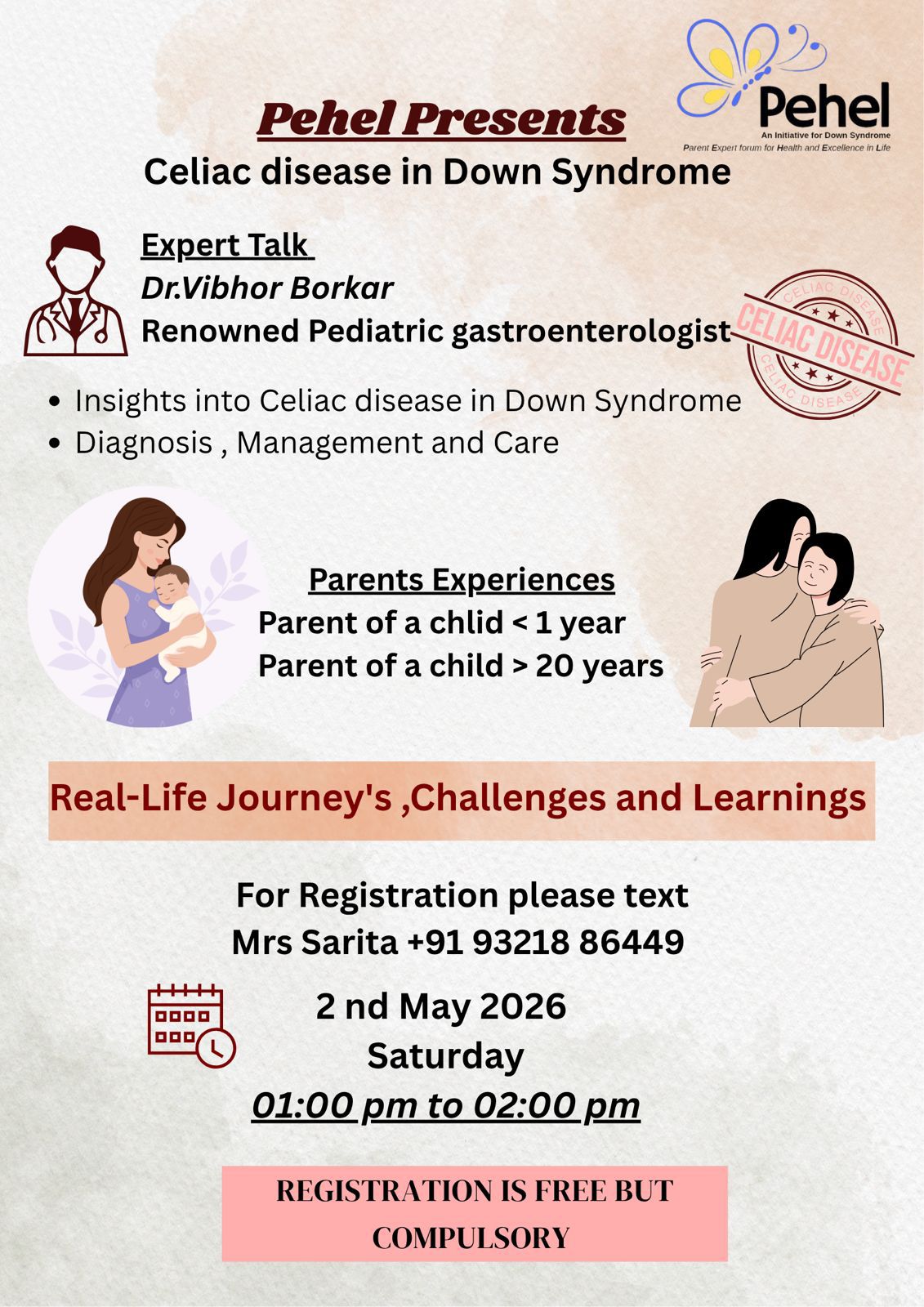
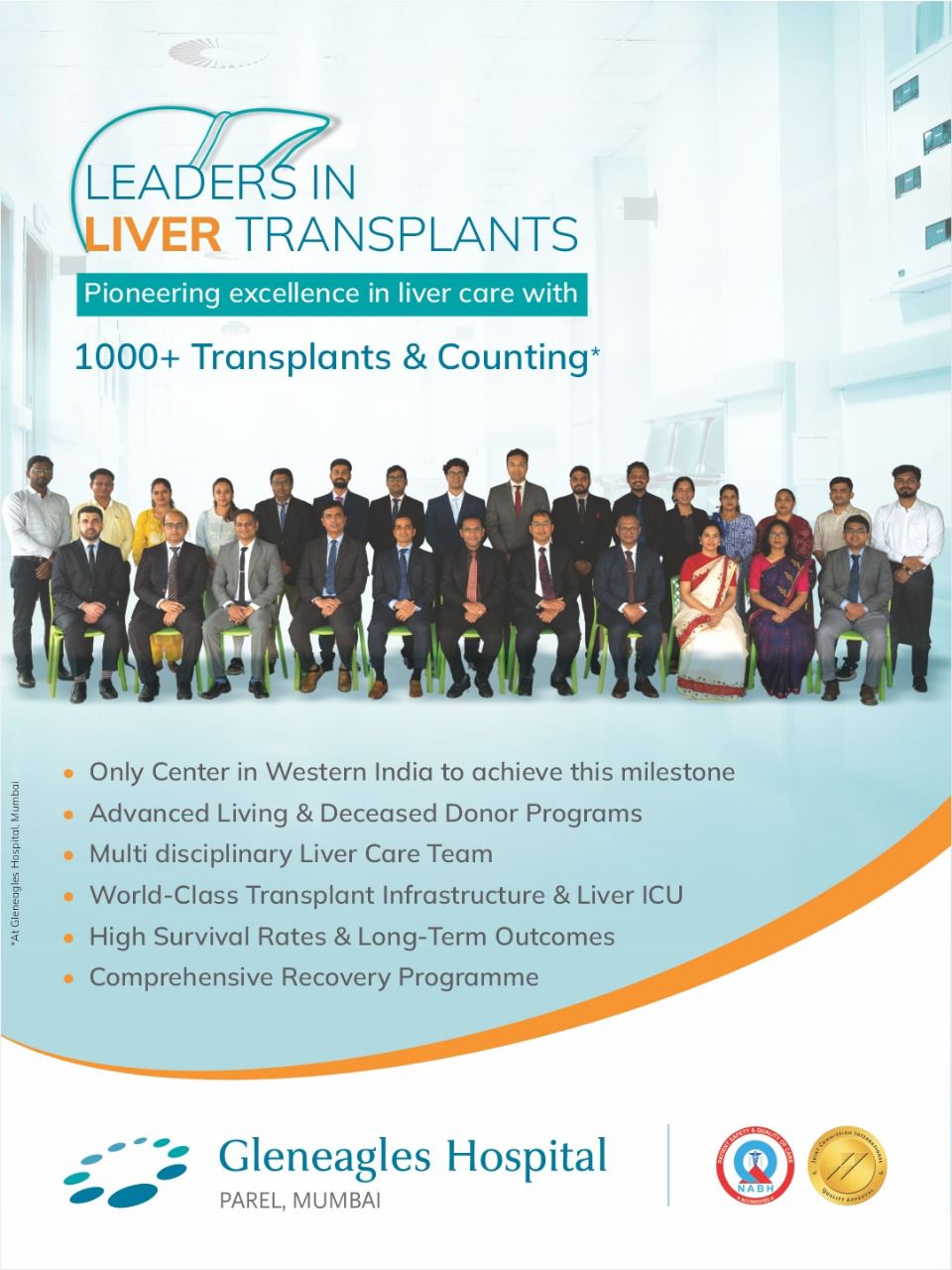
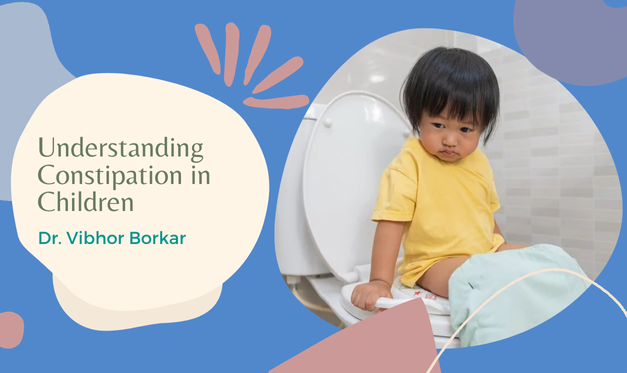
Our Latest Videos




Explore our gallery of images and moments
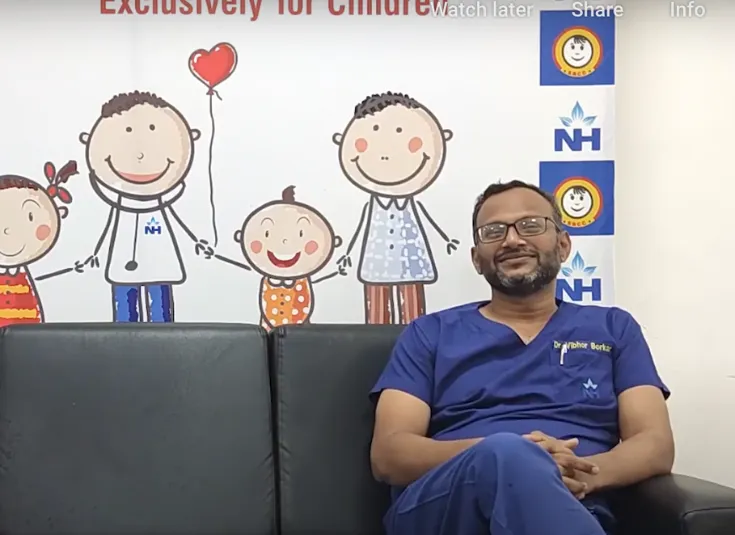
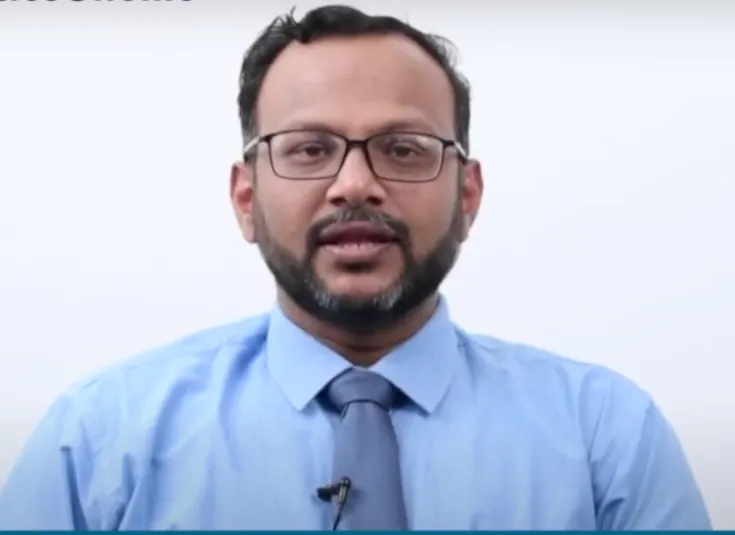
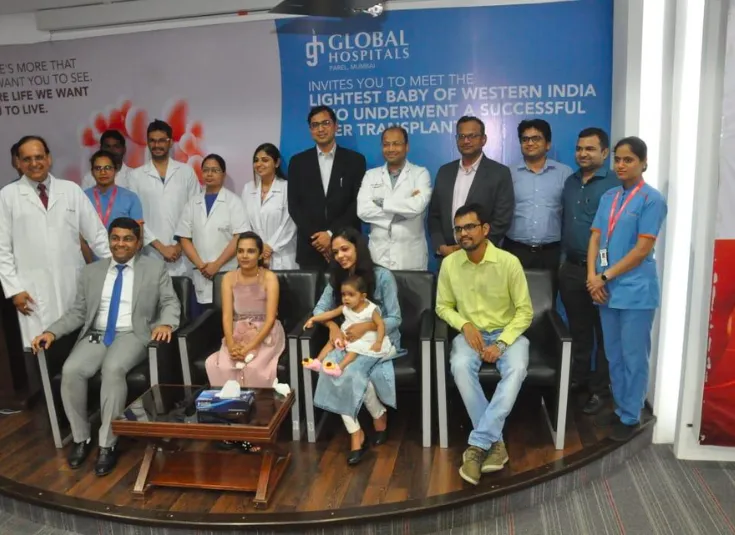
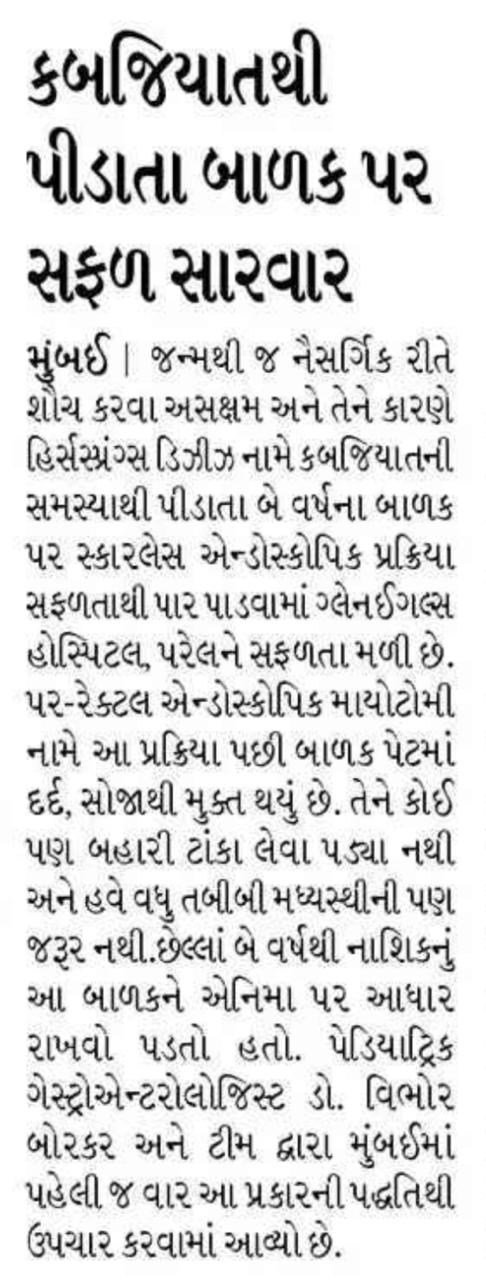
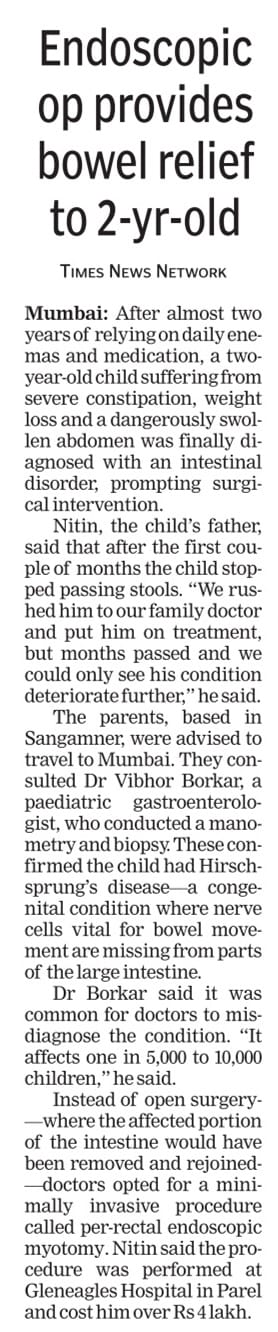
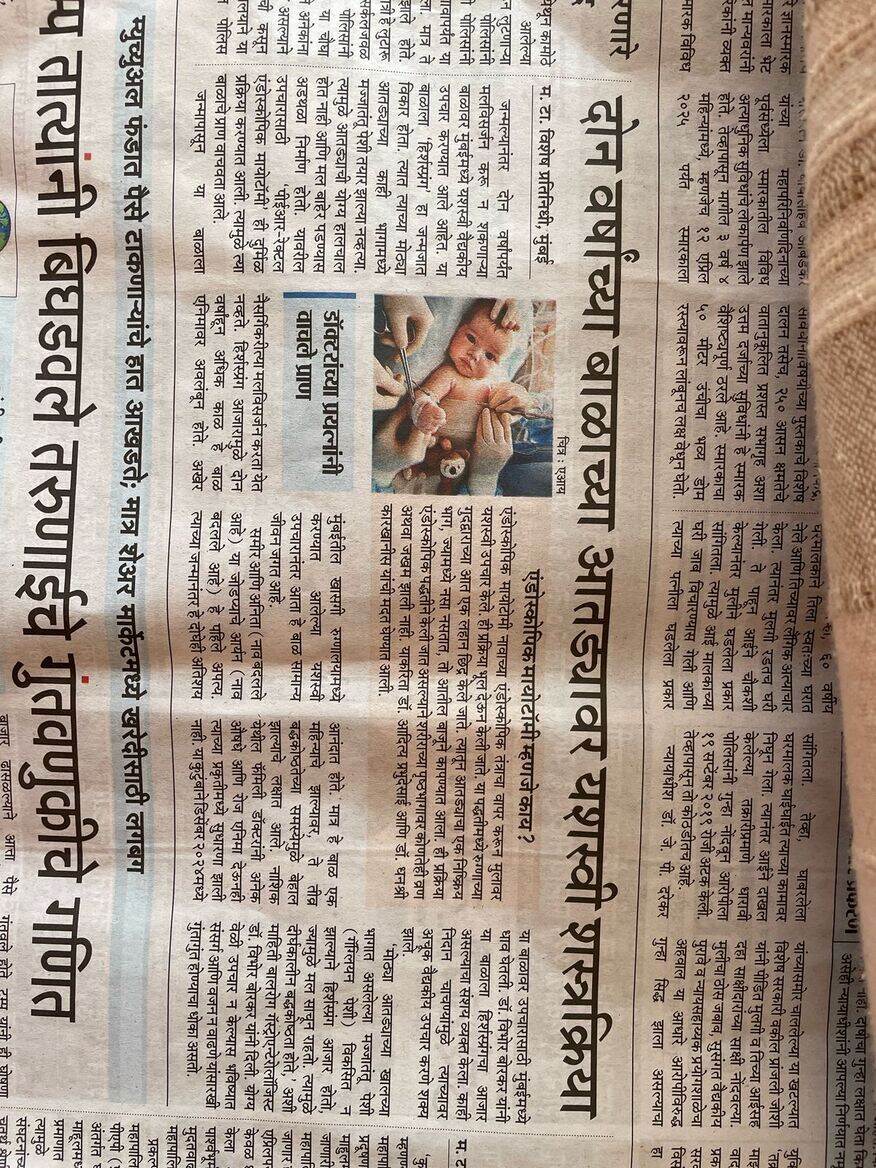
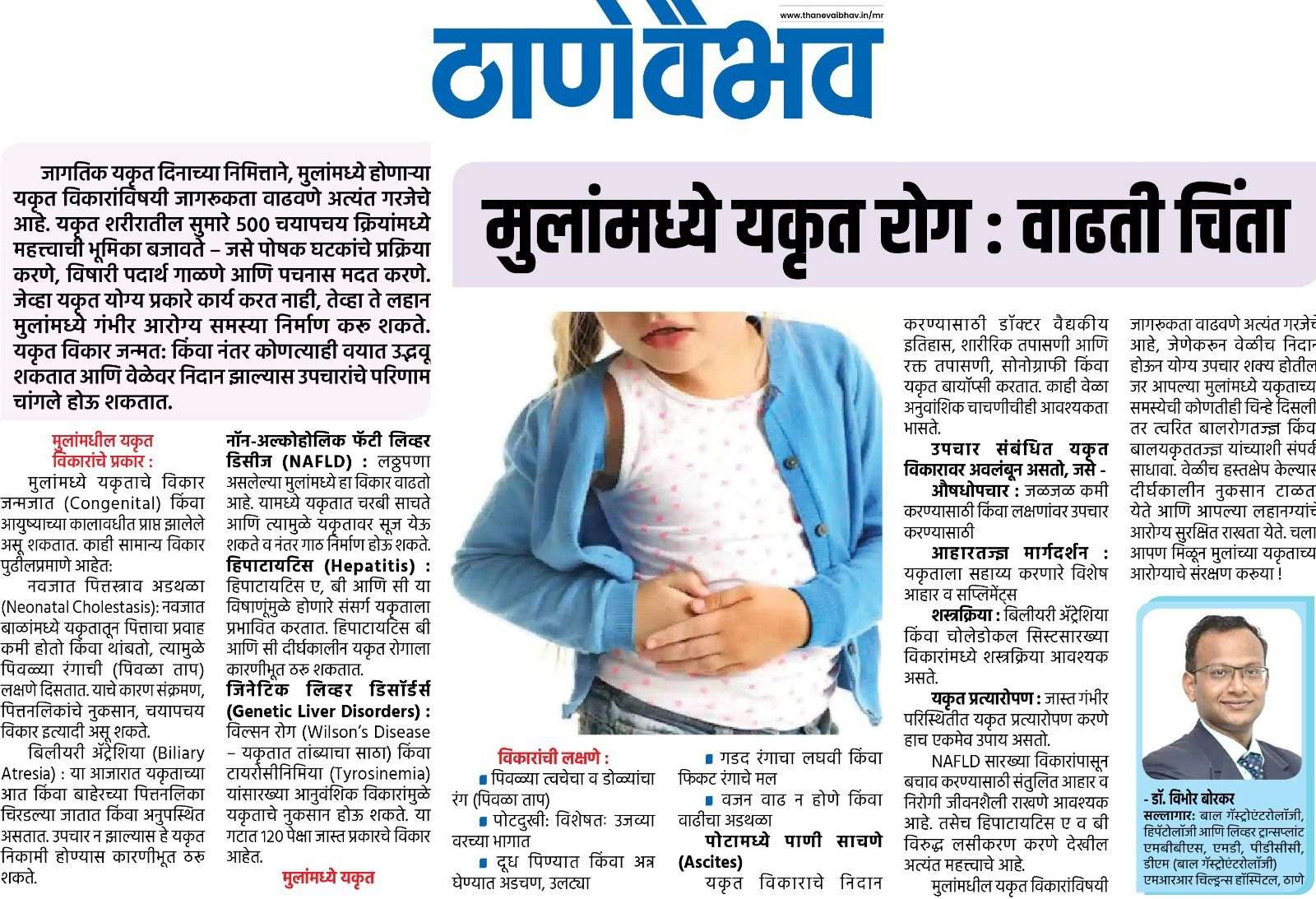
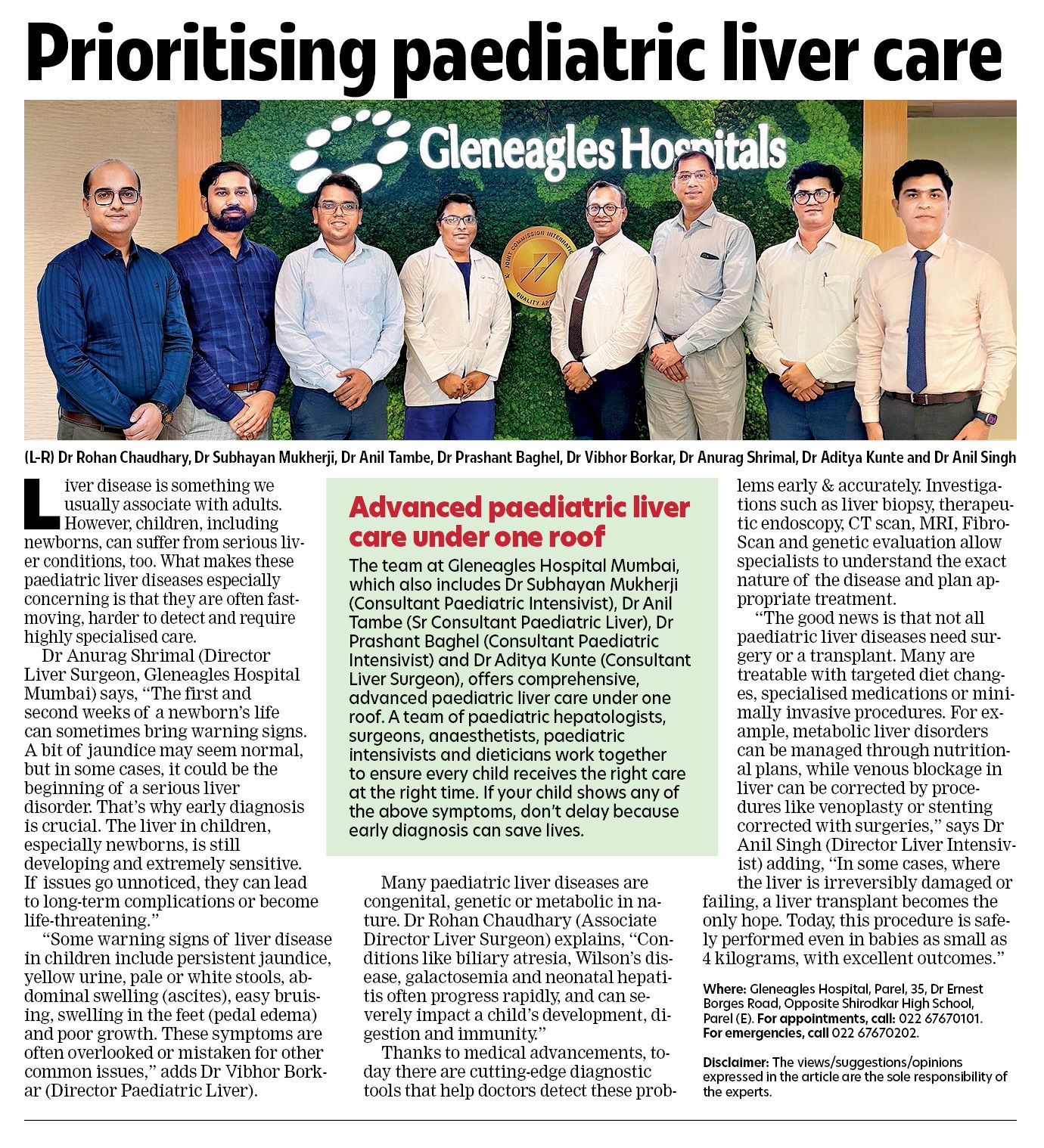
Know your doctor better
Q: What are Dr. Vibhor Borkar's qualifications in Pediatric Gastroenterology and Hepatology?
A Pioneer in Pediatric Gastroenterology & Hepatology Dr. Vibhor Borkar is not just a specialist; he is a pioneer in his field. He earned the landmark distinction of being India's first Doctorate in Medicine (DM) in Pediatric Gastroenterology from the renowned Sanjay Gandhi Post Graduate Institute of Medical Sciences (SGPGIMS), Lucknow. This rigorous national program remains the only one of its kind, establishing Dr. Borkar at the forefront of his specialty. A Commitment to Advanced, Comprehensive Care Dr. Borkar’s dedication to excellence is reflected in his extensive training: Super-Specialized Expertise: Following his DM, he completed an advanced fellowship in GI Endoscopy, mastering the most complex diagnostic and therapeutic procedures for children. Strong Medical Foundation: His journey includes PDCC degree in Pediatric Gastroetnerology from SGPGIMS, a MD in Pediatrics from PGIMER, Chandigarh, and an MBBS from Seth G.S. Medical College & KEM Hospital, Mumbai. Holistic Approach: Uniquely, he also holds an MBA in Health and Hospital Management from BITS Pilani, allowing him to integrate superior clinical care with efficient patient-focused management. With this unparalleled academic and training background, Dr. Borkar is uniquely equipped to manage the full spectrum of gastrointestinal and liver disorders in children. He is committed to providing compassionate, state-of-the-art medical care for your child.
Q: What can I expect during my child's consultation with Dr. Vibhor Borkar in Pediatric Gastroenterology and Hepatology?
A: During consultations, Dr. Vibhor Borkar ensures a comprehensive evaluation of your child's gastrointestinal and liver health. He takes the time to listen to your concerns and gathers detailed medical history. Dr. Borkar may perform physical examinations and if required may order appropriate diagnostic tests to accurately diagnose your child's condition. Once a diagnosis is made, he discusses treatment options in detail, tailoring the plan to meet your child's specific needs. Throughout the process, Dr. Borkar prioritizes clear communication, ensuring you understand the diagnosis, treatment rationale, and expected outcomes. He remains accessible for any questions or concerns, fostering a collaborative approach to your child's care. Trust Dr. Vibhor Borkar, pediatric gastroenterologist and hepatologist for specialized treatment of digestive and liver conditions in children up to 18 years old in Mumbai.
Q: What distinguishes Dr. Vibhor Borkar's expertise in Pediatric Gastroenterology and Hepatology?
A: Dr. Vibhor Borkar's expertise is distinguished by a unique combination of pioneering qualifications, advanced technical skill, and deep clinical experience. Pioneering Academic Credentials: He is India's first Doctorate in Medicine (DM) in Pediatric Gastroenterology from the prestigious Sanjay Gandhi Post Graduate Institute (SGPGI), Lucknow. This foundational achievement places him at the forefront of the sub-specialty in the country. Advanced Procedural Expertise: Beyond his doctorate, he has completed a super-specialized fellowship in Advanced GI Endoscopy. This focused training ensures he is highly proficient in performing complex, therapeutic endoscopic procedures for children—a skill set that sets him apart. Comprehensive Clinical Experience: His hands-on training includes critical work at the Pediatric Liver Transplantation Unit at Global Hospitals, Chennai, giving him exceptional insight into managing the most severe liver disorders. Coupled with over seven years of dedicated practice, he offers a depth of experience that inspires confidence. A Commitment to Advancing the Field: Dr. Borkar actively contributes to the medical community through research, publications, and presentations at national and international conferences, ensuring his practice is informed by the very latest global standards. This powerful synthesis of elite training, specialized technical skills, and extensive clinical application makes Dr. Borkar a uniquely qualified expert for managing complex gastrointestinal and liver disorders in children.
Q: What are Dr. Vibhor Borkar's current and past appointments in Pediatric Gastroenterology and Hepatology?
A: Leadership & Hospital Affiliations: A Career of Impact Dr. Vibhor Borkar's current and past hospital appointments reflect his standing as a key leader in his field: Current Leadership Roles: Director, Pediatric Hepatology, Gastroenterology & Transplant Medicine, Gleneagles Hospital, Mumbai. Visiting Pediatric Gastroenterologist, Lokmanya Tilak Municipal Medical College & Hospital, Sion, Mumbai- Mentor for fellowship program in Pediatric GI Previous Key Appointments: Dr. Borkar has been foundational in establishing and leading pediatric gastroenterology services at several of Mumbai's premier institutions, including: Senior Consultant & Department Coordinator, NH SRCC Children’s Hospital, (April 2017 to Jan 2022) Mumbai.- established pediatric liver transplant program and Pediatric GI department Director, Pediatric Hepatology, Gastroenterology & Transplant Medicine, Nanavati Max Hospital, Mumbai (Feb 2022- Nov 2024).- established pediatric liver transplant program Senior Consultant Pediatric Hepatologist, Global Hospital, Mumbai.- established pediatric liver transplant program, Pediatric Liver ICU. (June 2015 to March 2021) A Trusted Expert Across the Region: His expertise has also been sought as a Visiting Consultant by numerous other respected hospitals across Maharashtra, including Surya Hospital, BJ Wadia Hospital, Surya Hospital, MRR children's Hospital (Thane), Kiran hospital (Surat) Color's Hospital (Nagpur) and Aditya Birla Hospital (Pune), Kamal Nayan Bajaj Hospital (Aurangabad) among others. This extensive network of affiliations is a testament to his renowned clinical skills and his unwavering commitment to advancing pediatric care. He brings this wealth of experience to every patient consultation.
What is GI Endoscopy in children, and why might it be performed?
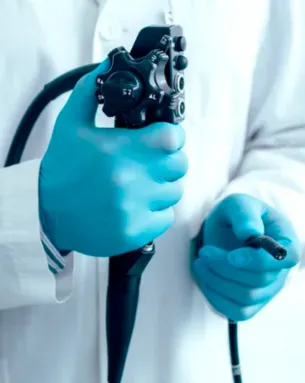
GI Endoscopy, or gastrointestinal endoscopy, is a diagnostic procedure used to examine the inside of the digestive tract in children. It involves inserting a flexible tube with a camera and light source (endoscope) through the mouth or anus to visualize the esophagus, stomach, small intestine, or colon. GI endoscopy may be performed to investigate various gastrointestinal symptoms or conditions such as abdominal pain, persistent vomiting, difficulty swallowing, gastrointestinal bleeding, inflammation, or suspected tumors. It allows direct visualization of the gastrointestinal lining, enabling the detection of abnormalities, collection of tissue samples (biopsy), and performance of therapeutic interventions like polyp removal or dilation of strictures. Give your child the expert care they deserve by consulting with Dr. Vibhor Borkar, a renowned pediatric gastroenterologist and hepatologist based in Mumbai.
When is Liver Transplantation considered for children, and what does the process entail?
Liver transplantation is considered in children with end-stage liver disease, acute liver failure, or certain metabolic disorders that cannot be effectively managed with medical treatment alone. The process involves replacing the diseased liver with a healthy liver from a deceased or living donor. Before the transplant, the child undergoes a thorough evaluation to assess their suitability for the procedure. Once deemed eligible, they are placed on the transplant waiting list. Upon receiving a suitable donor organ, the child undergoes the transplant surgery, which involves removing the diseased liver and implanting the new liver. Post-transplant, the child requires lifelong medical care and immunosuppressive medications to prevent rejection of the new liver. Regular follow-up visits are essential to monitor the child's health and ensure optimal outcomes. Schedule an appointment with Mumbai's leading pediatric gastroenterologist and hepatologist, Dr. Vibhor Borkar.
What are common liver conditions affecting children, and how are they managed?
Common liver conditions in children include biliary atresia, autoimmune hepatitis, metabolic liver diseases, and congenital liver abnormalities. Biliary atresia, a condition where the bile ducts are blocked or absent, often requires surgical intervention such as the Kasai procedure or liver transplantation. Autoimmune hepatitis, an immune-mediated liver disease, is managed with immunosuppressive medications to control inflammation and preserve liver function. Metabolic liver diseases, such as Wilson disease or alpha-1 antitrypsin deficiency, may require dietary modifications, medications, or liver transplantation depending on the severity of the condition. Congenital liver abnormalities like liver cysts or hemangiomas may require monitoring or surgical intervention if symptomatic. Early diagnosis, appropriate management, and multidisciplinary care are crucial in optimizing outcomes for children with liver conditions. Connect with Dr. Vibhor Borkar, a dedicated pediatric gastroenterologist and hepatologist serving Mumbai.
What is biliary atresia, and how is it diagnosed in children?
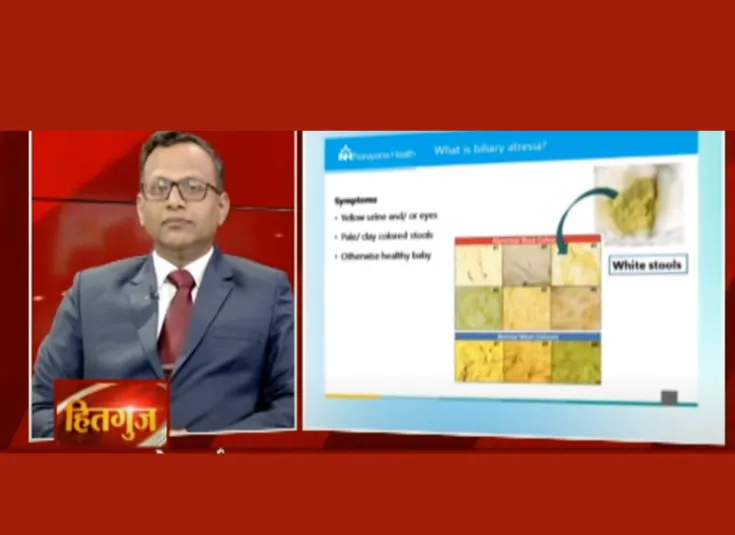
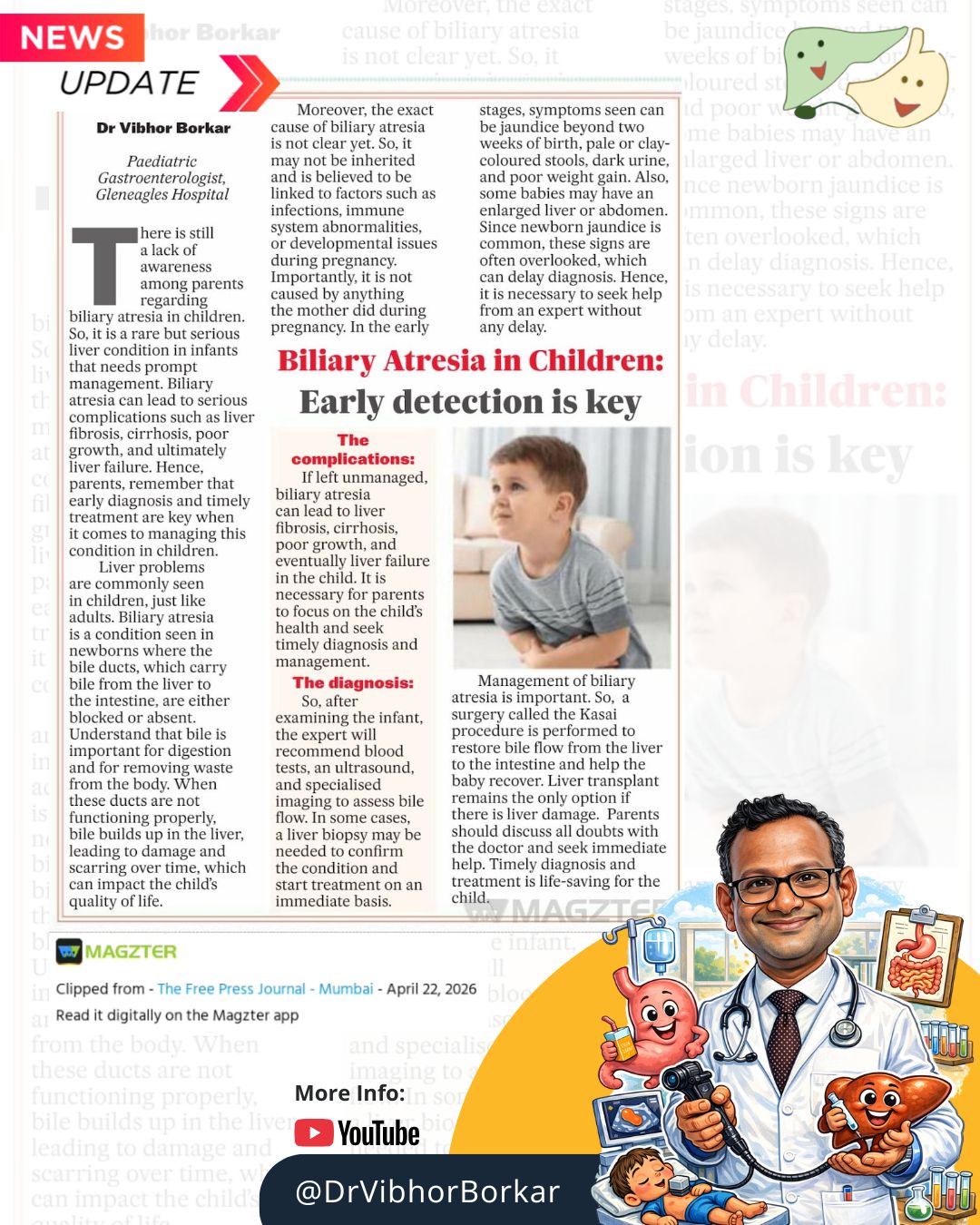
Biliary atresia is a rare liver disease in infants where the bile ducts inside or outside the liver are absent or blocked. It leads to bile accumulation in the liver, causing liver damage and eventually liver failure if left untreated. Diagnosis typically involves blood tests to assess liver function, imaging studies like ultrasound or MRI to visualize the bile ducts, and a liver biopsy to confirm the diagnosis. Early diagnosis is crucial for timely intervention, often involving surgical procedures such as the Kasai procedure to restore bile flow or liver transplantation in severe cases. Schedule an appointment with Mumbai's leading pediatric gastroenterologist and hepatologist, Dr. Vibhor Borkar.
What are the symptoms of liver disease in children, and when should parents seek medical attention?
Symptoms of liver disease in children can vary but may include jaundice (yellowing of the skin and eyes), abdominal swelling, pale stools, dark urine, fatigue, poor appetite, and weight loss. If a child exhibits any of these symptoms, especially jaundice, abdominal swelling, or persistent unexplained symptoms, parents should seek prompt medical evaluation. Early detection and intervention can help prevent complications and improve outcomes for children with liver disease. Connect with Dr. Vibhor Borkar, a dedicated pediatric gastroenterologist and hepatologist serving Mumbai.
Can liver disease in children be prevented, and what measures can parents take to promote liver health?
While some liver diseases in children are genetic or unavoidable, certain preventive measures can help promote liver health. Encouraging a healthy diet rich in fruits, vegetables, and whole grains while limiting processed foods and sugary drinks can support liver function. Additionally, promoting regular exercise, maintaining a healthy weight, and ensuring proper hydration can contribute to overall liver health. Parents should also ensure their children receive recommended vaccinations to prevent liver infections such as hepatitis A and B. Take the first step towards better digestive health for your child by scheduling an appointment with Dr. Vibhor Borkar, a pediatric gastroenterologist and hepatologist in Mumbai.
How is liver transplantation performed in children, and what is the recovery process like?
Liver transplantation in children involves removing the diseased liver and replacing it with a healthy liver from a deceased or living donor. The surgery typically lasts several hours and requires a specialized medical team. Following transplantation, children require intensive postoperative care in the hospital to monitor for complications and ensure the new liver functions properly. Recovery time varies, but most children can expect to stay in the hospital for several weeks to months post-transplant. Long-term immunosuppressive medications are necessary to prevent rejection of the new liver, and regular follow-up appointments are essential to monitor liver function and overall health. Empower your child to live a healthier life with expert guidance from Dr. Vibhor Borkar, a trusted pediatric gastroenterologist and hepatologist practicing in Mumbai.
What types of gastrointestinal (GI) issues commonly affect children, and how do they impact their daily routines?
Children frequently encounter a variety of gastrointestinal (GI) conditions, such as gastroesophageal reflux disease (GERD), lactose intolerance, and irritable bowel syndrome (IBS). These conditions can disrupt their daily lives, causing discomfort, dietary restrictions, and challenges in participating in regular activities. For example, GERD may lead to frequent regurgitation and discomfort after meals, while lactose intolerance may require careful monitoring of dairy intake to avoid digestive upset. Understanding these conditions and their impact on children's routines is crucial for effective management and improved quality of life. Connect with Dr. Vibhor Borkar, a dedicated pediatric gastroenterologist and hepatologist serving Mumbai.
How are gastrointestinal (GI) conditions diagnosed in children, and what steps are involved in the diagnostic process?
Diagnosing GI conditions in children involves a comprehensive approach tailored to their unique symptoms and medical history. Healthcare providers typically begin with a thorough evaluation, including a detailed medical history and physical examination. This may be followed by diagnostic tests such as blood work, stool analysis, imaging studies, or endoscopic procedures to assess the gastrointestinal tract's health and function. By conducting a thorough evaluation, healthcare providers can accurately diagnose the underlying GI condition and develop an appropriate treatment plan to address the child's needs. Ensure peace of mind knowing your child's gastrointestinal issues are in the hands of Dr. Vibhor Borkar, a leading pediatric gastroenterologist and hepatologist in Mumbai.
What treatment options are available for children with gastrointestinal (GI) conditions, and how effective are they in managing symptoms?
Treatment options for pediatric GI conditions vary depending on the specific diagnosis and severity of symptoms. They may include dietary modifications, medications, lifestyle changes, or surgical interventions. For instance, dietary changes and probiotics may help alleviate symptoms of irritable bowel syndrome (IBS), while medications like proton pump inhibitors may be prescribed to manage gastroesophageal reflux disease (GERD). The effectiveness of treatment varies from case to case, and close collaboration between healthcare providers and families is essential to tailor treatment plans to meet each child's individual needs and optimize outcomes. Schedule an appointment with Mumbai's leading pediatric gastroenterologist and hepatologist, Dr. Vibhor Borkar.
Can gastrointestinal (GI) conditions in children be prevented, and are there any preventive measures parents can take?
While some GI conditions in children may have genetic or environmental factors, certain preventive measures can help promote GI health and reduce the risk of developing these conditions. Encouraging a balanced diet rich in fiber, fruits, and vegetables, limiting processed foods and sugary beverages, and promoting regular physical activity can support digestive health. Additionally, fostering healthy eating habits from a young age and providing adequate hydration can contribute to overall GI wellness. While preventive measures cannot guarantee immunity from GI conditions, they can help reduce the risk and promote optimal digestive health in children. Book a consultation with Dr. Vibhor Borkar, a trusted pediatric gastroenterologist and hepatologist in Mumbai, today.
When should parents seek medical evaluation for gastrointestinal (GI) symptoms in their child, and what signs should they watch out for?
Parents should seek medical evaluation for their child if they experience persistent or concerning GI symptoms that affect their daily life or overall well-being. Signs indicating the need for urgent medical attention include severe abdominal pain, persistent vomiting, bloody stools, significant weight loss, or signs of dehydration such as decreased urine output or lethargy. Additionally, symptoms that interfere with a child's growth, development, or ability to participate in normal activities warrant prompt evaluation by a healthcare professional. Early diagnosis and intervention can help alleviate symptoms and prevent complications associated with pediatric gastrointestinal conditions. Connect with Dr. Vibhor Borkar, a dedicated pediatric gastroenterologist and hepatologist serving Mumbai.
What distinguishes pediatric pancreatic diseases from those in adults?
Pediatric pancreatic diseases often present unique challenges due to the developing physiology of children. Conditions like cystic fibrosis-related pancreatic insufficiency are more prevalent in pediatric populations, while certain pancreatic tumors, such as solid pseudopapillary neoplasms, are relatively rare in adults but seen more frequently in children. Additionally, diagnostic and treatment approaches must be tailored to accommodate the age-specific needs and sensitivities of pediatric patients, necessitating specialized care by experienced pediatric gastroenterologists and surgeons. Schedule an appointment with Mumbai's leading pediatric gastroenterologist and hepatologist, Dr. Vibhor Borkar.
How do pancreatic diseases affect a child’s growth and development?
Pancreatic diseases can significantly impact a child's growth and development, particularly if they interfere with the absorption of essential nutrients. Conditions like chronic pancreatitis or cystic fibrosis-related pancreatic insufficiency can lead to malnutrition, stunted growth, and delayed puberty if not properly managed. Early diagnosis and intervention are crucial to mitigate these effects and optimize a child's nutritional status and overall growth trajectory. Connect with Dr. Vibhor Borkar, a dedicated pediatric gastroenterologist and hepatologist serving Mumbai.
Are there any emerging treatments or research breakthroughs for pediatric pancreatic diseases?
Ongoing research into pediatric pancreatic diseases is yielding promising developments in treatment approaches. Advances in genetic testing and personalized medicine offer new avenues for targeted therapies, particularly for hereditary conditions like hereditary pancreatitis or certain genetic mutations associated with pancreatic cancer. Additionally, clinical trials are exploring novel treatments such as enzyme replacement therapies, gene therapies, and minimally invasive surgical techniques tailored specifically for pediatric patients. Give your child the expert care they deserve by consulting with Dr. Vibhor Borkar, a renowned pediatric gastroenterologist and hepatologist based in Mumbai.
How can parents support a child diagnosed with a pancreatic disease?
Parents play a crucial role in supporting their child's physical and emotional well-being throughout the journey of managing a pancreatic disease. This includes ensuring adherence to prescribed treatments and dietary modifications, advocating for comprehensive medical care, and providing a supportive environment to cope with any challenges or emotional stressors. Seeking guidance from pediatric healthcare professionals and connecting with support groups or online communities can also offer valuable resources and encouragement for both parents and children. Ensure peace of mind knowing your child's gastrointestinal issues are in the hands of Dr. Vibhor Borkar, a leading pediatric gastroenterologist and hepatologist in Mumbai.
What long-term complications should parents be aware of for children with pancreatic diseases?
While proper management can help mitigate immediate symptoms, children with pancreatic diseases may face potential long-term complications. These can include chronic pain, nutritional deficiencies, diabetes mellitus, pancreatic exocrine insufficiency, and an increased risk of developing pancreatic cancer later in life. Vigilant monitoring by healthcare providers, adherence to treatment regimens, and ongoing support are essential for minimizing the impact of these complications and optimizing the long-term health outcomes of pediatric patients with pancreatic diseases. Empower your child to live a healthier life with expert guidance from Dr. Vibhor Borkar, a trusted pediatric gastroenterologist and hepatologist practicing in Mumbai.
 Address
Gleneagles Hospital, Parel, Mumbai 400012, Maharashtra


Website Powered by icareheal
© Dr. Vibhor Borkar 2025